BACK
Watch With Me - Can AI Make Movies More Fun?
Most of the time, we don’t just “watch” anymore.
We scroll comments while a video plays, keep Twitch chat open beside the stream, or watch a show while another satisfying clip runs in the corner of the screen. We live in a multi-consumption era: content + meta-content + social reaction all at once.
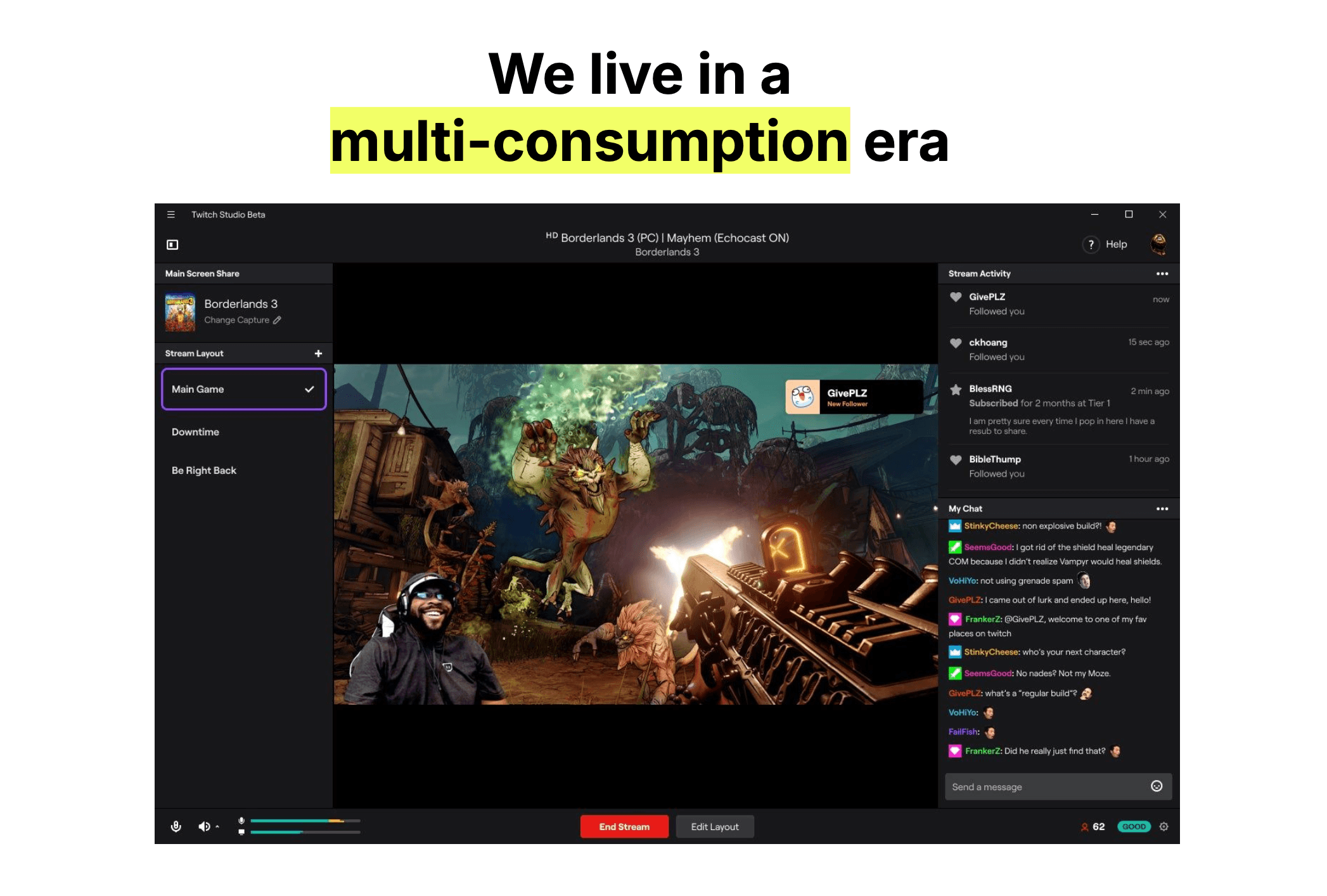
Below is a very common TikTok format: a split screen with Subway Surfers gameplay, a chess game, subtitles, and trendy background music to stimulate the viewer’s senses.
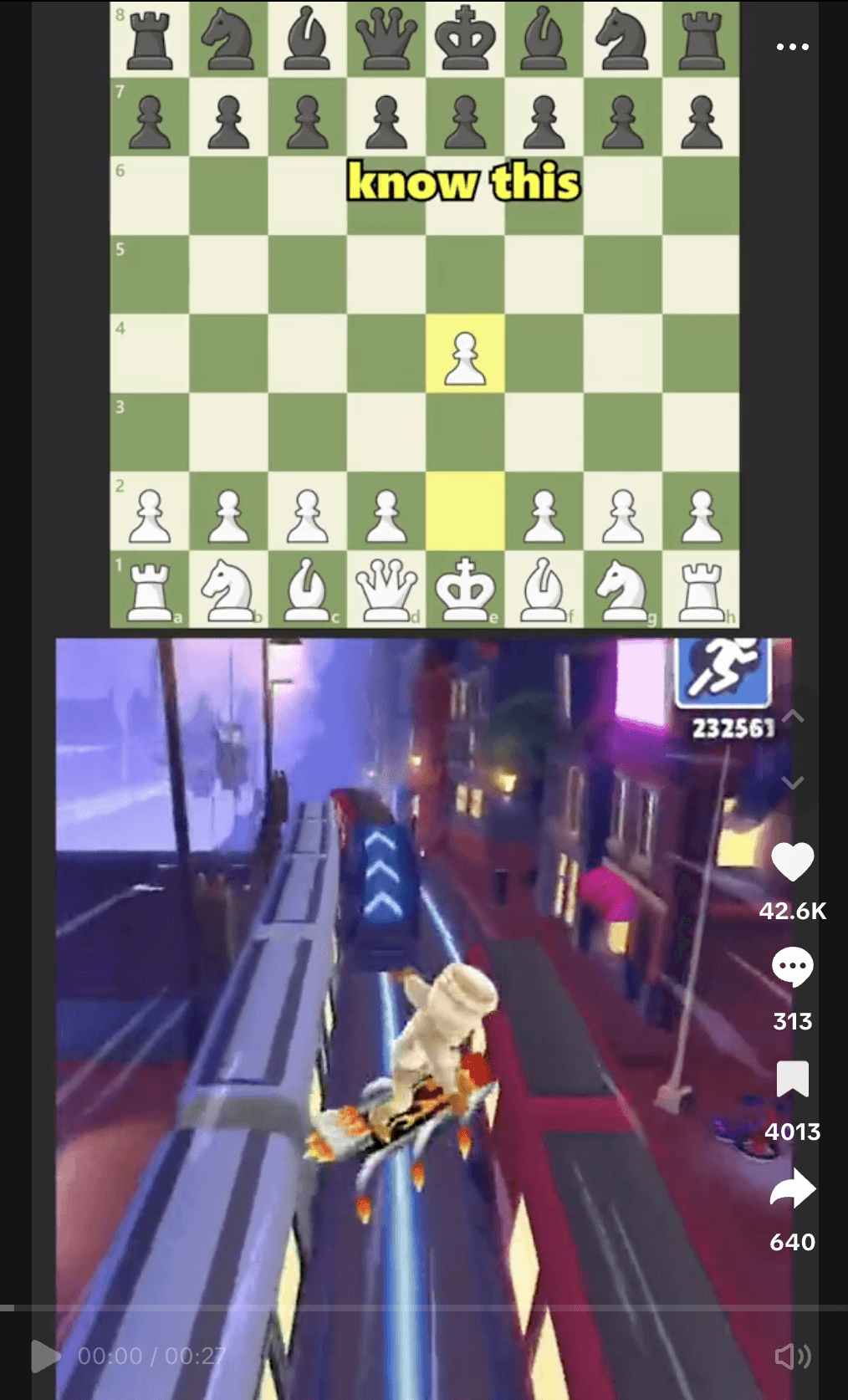
This is a snippet of https://www.tiktok.com/@bobbybojanglles/video/7215771283773033770
"Watch With Me” is a speculative AI movie companion that behaves like a second layer of entertainment, inspired by Impractical Jokers’ pop-up trivia, Twitch chat, and the way multi-panel videos already hijack our attention.
Inspiration: We Already Enjoy Side Dishes
Three patterns fed into the idea:
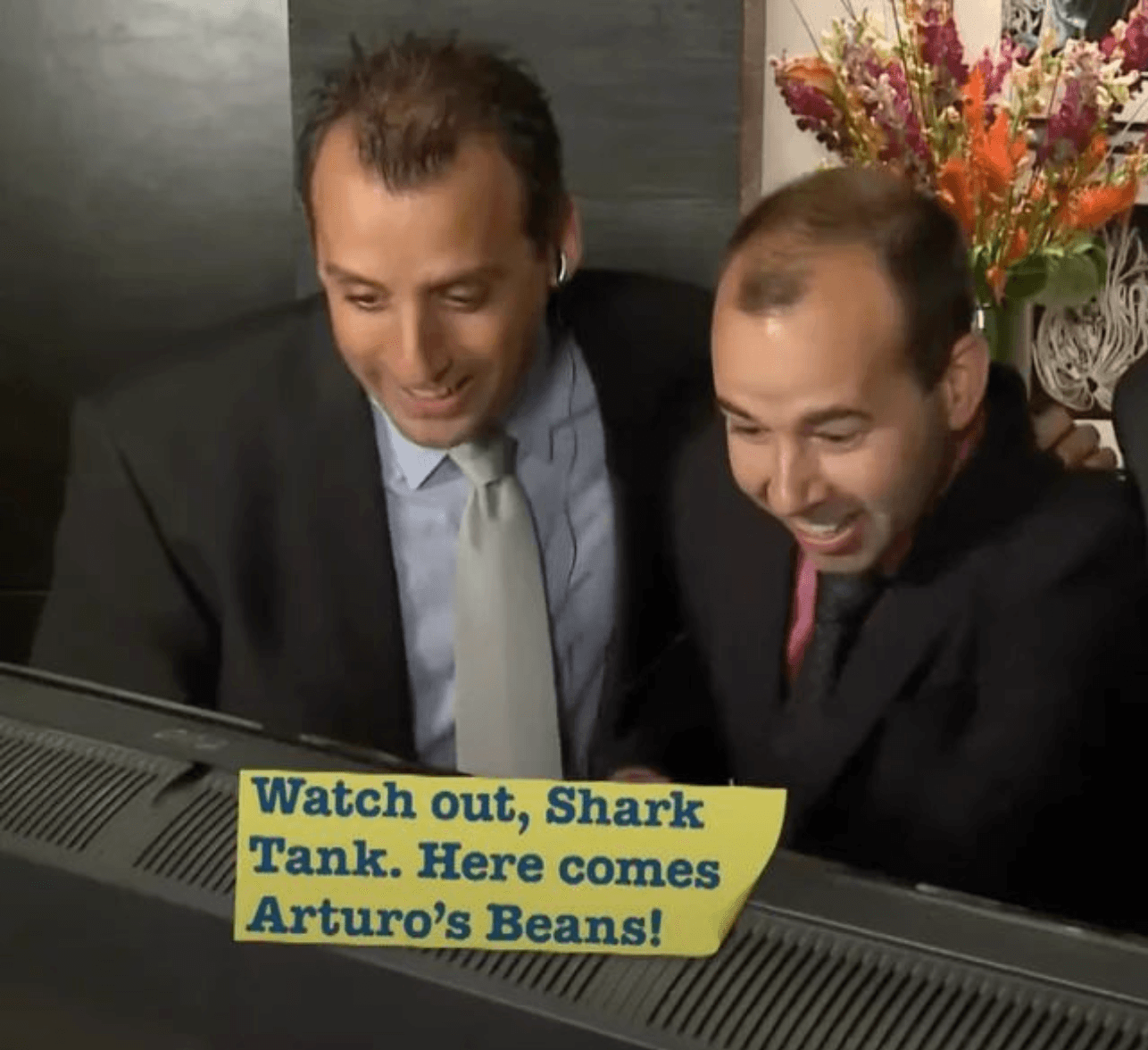
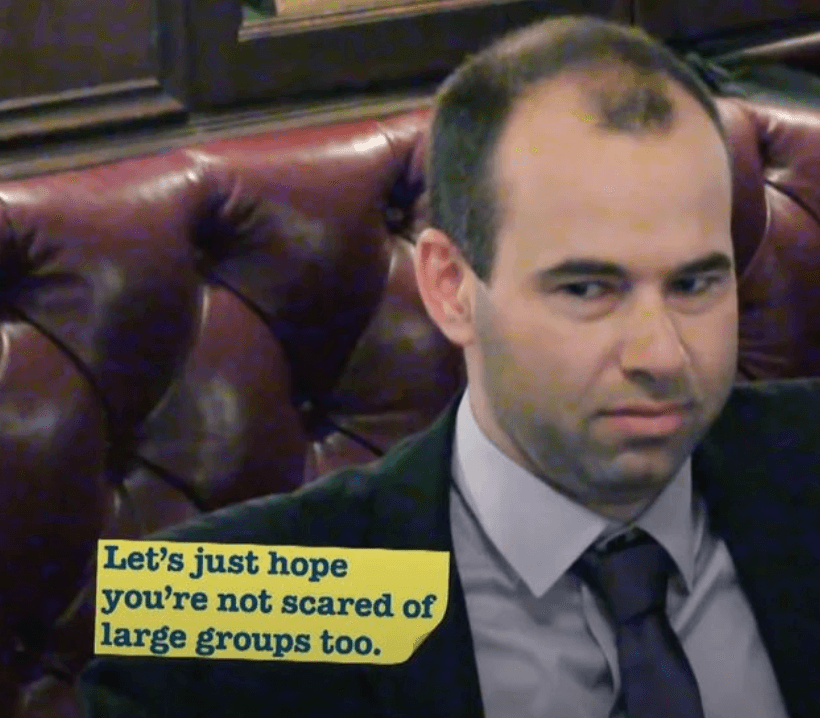
Impractical Jokers’ “sticky notes”
In Impractical Jokers, the main joke plays out in the center of the screen, but the editors often layer in yellow pop-up captions with behind-the-scenes facts, extra punchlines, commentary on a joker’s facial expression, or meta-jokes about the crew. These side comments give your brain a second thing to chew on, the way a good meme has both an image and a caption.
The “comment section” phenomenon
I think we all can agree that the comment section is always funnier than the video itself. From my observations, it became almost instinctual to open the comments even before the video plays.
Comments are supposed to be a side-dish, but they’re slowly becoming the main course.
Comments are not just important in short-form videos; they’re also crucial in streams. A livestream can’t be entertaining the whole time. There must be some “dips in dopamine,” so what do you do? You feed the viewer another form of media to interact with. Half the fun is reading how other people are reacting in real time, or dropping your own comment into the stream. We’re not satisfied with just the video; we want the conversation around the video, too.
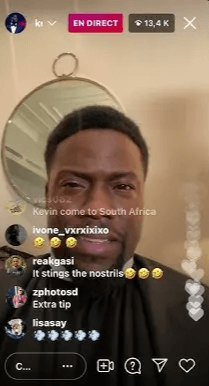
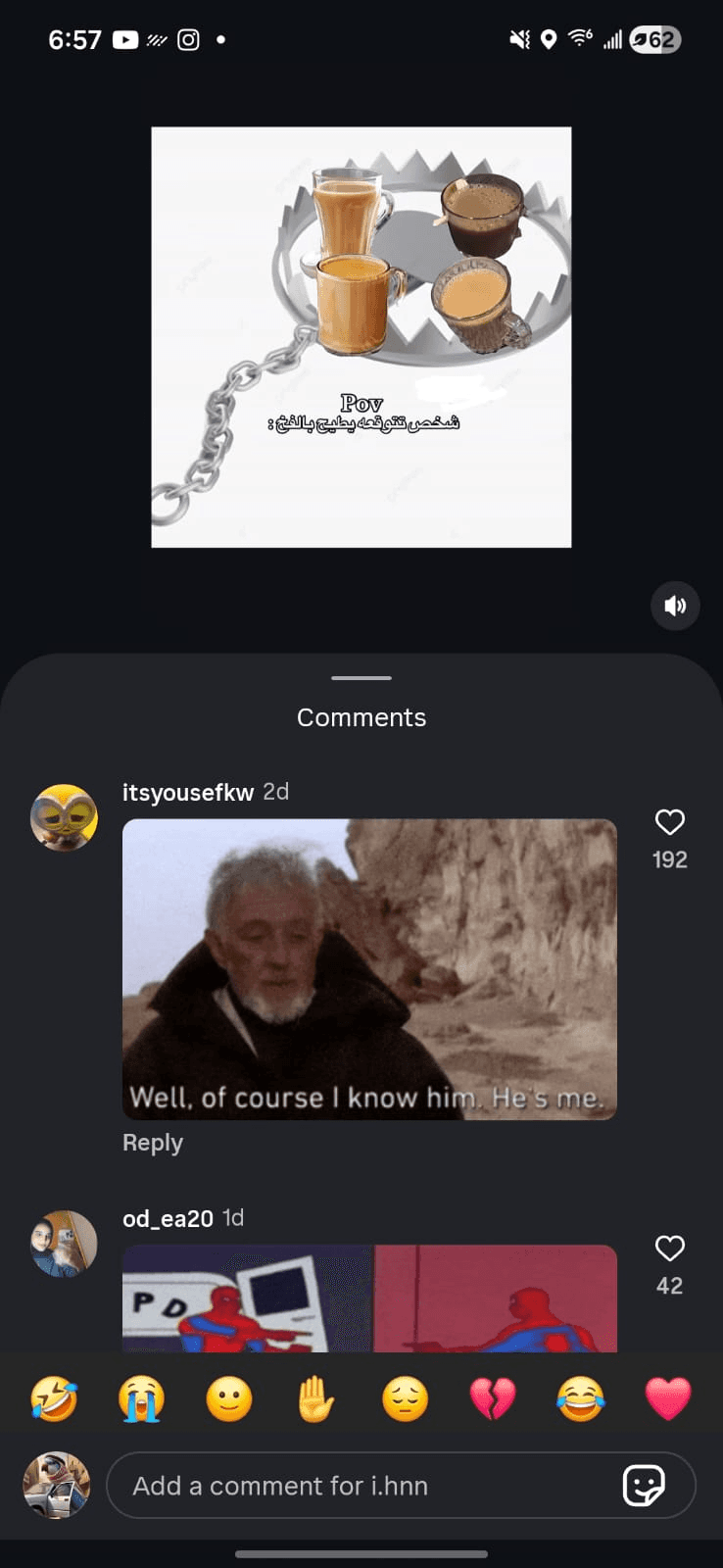
The annoying guy in the cinema
This might be controversial, but I don’t like sitting quietly while watching a movie. You see me throwing silly comments, analyzing scenes, asking questions, and just having fun with the friends around me. For me, watching something with friends is 10x more fun than watching alone. However, friends aren’t always available. So, how can I simulate this interactive experience of commenting on a movie?
Taken together, these patterns suggest that adding a second layer of stimulation to movies might elevate the viewing experience.
(And at this point, I started dreaming of selling this product to Netflix 👀😂)
We Like Extra Layers, But We Hate Clingy AI
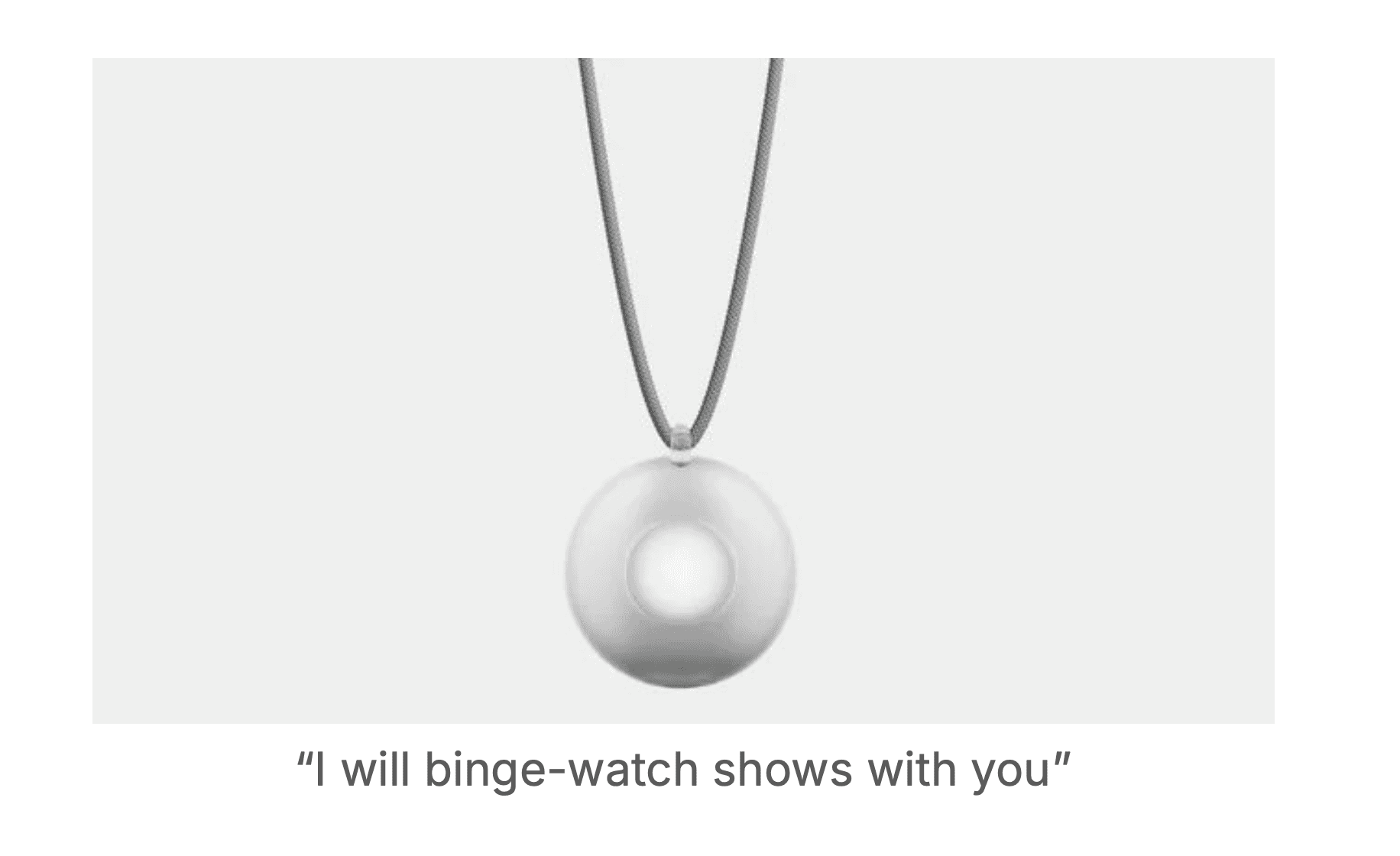
At the same time, we know what it feels like when this goes too far. A recent startup, Friend, tried to make a wearable AI “friend” necklace that listens, responds, and “binge-watches” with you. The backlash was immediate and emotional. Subway ads were graffitied with “AI is not your friend” and “Human connection is sacred.” People were reacting not to technology in general, but to an AI that tried to insert itself into their lives.
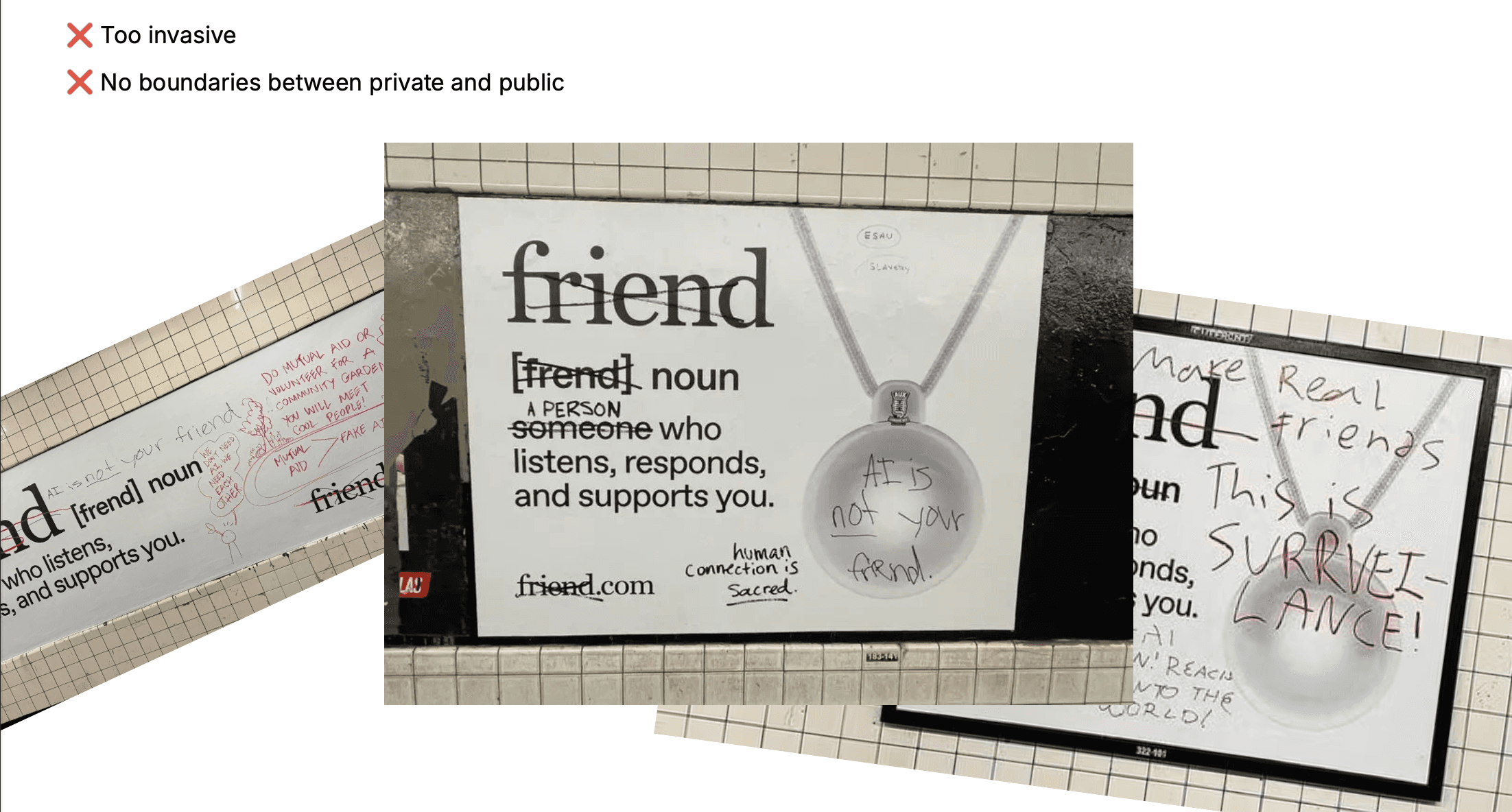
That backlash revealed an important constraint for this project:
People are uncomfortable when AI claims emotional intimacy or constant presence.
They’re much more relaxed when AI is clearly bound to a task or piece of content.
And the question became:
If people don’t see AI as a life friend, would they accept it in their content?
The Concept: An AI Joke & Trivia Track
Imagine you’re watching a movie at home, alone. At the bottom right, a small toggle says “Companion On.” When it’s enabled, occasional speech bubbles pop up with:
A quick joke about a character’s expression
A fun fact about the scene or filming location
A callback to an earlier moment you might have missed
A playful prediction about what might happen next (without spoiling anything)
The bubble is clearly not part of the movie; it’s visually distinct, with an icon and a rounded rectangle, but it’s close enough to feel like a small commentary layer from a friend sitting next to you.
I called the concept “Watch With Me.”
How it works
Conceptually, this add-on tool would be watching the movie’s video frame in real-time and analyzing the following:
The movie’s script and subtitles (to understand dialogue and timing)
Scene metadata (characters, locations, genres)
Real-time scene analysis (facial expressions, pacing, mood)
It would then choose moments where a comment would add fun without stepping on key dialogue, similar to how Impractical Jokers’ editors decide where to place their sticky notes.
Interaction Design
I wanted “Watch With Me” to capture some of Twitch chat’s energy without the chaos.
Key interaction ideas:
Density control – A selector for the quantity of comments per scene
Themes - You can choose modes like Comedy, Trivia, or Nerdy Analysis (my favorite). In Comedy mode, comments focus on punchlines. In Trivia mode, they focus on how a shot was filmed or the actor’s background.
Tap to expand – If a bubble mentions an interesting fact, tapping it could expand a small card with more detail, or let you save it for later.
Save comment - Sometimes you’re in the middle of a crucial scene and get a comment that you’d want to read later. So you would save it and see it in the “saved” list. There was another implementation of this feature where all comments were saved by default. They could be made visible by opening a sidebar.
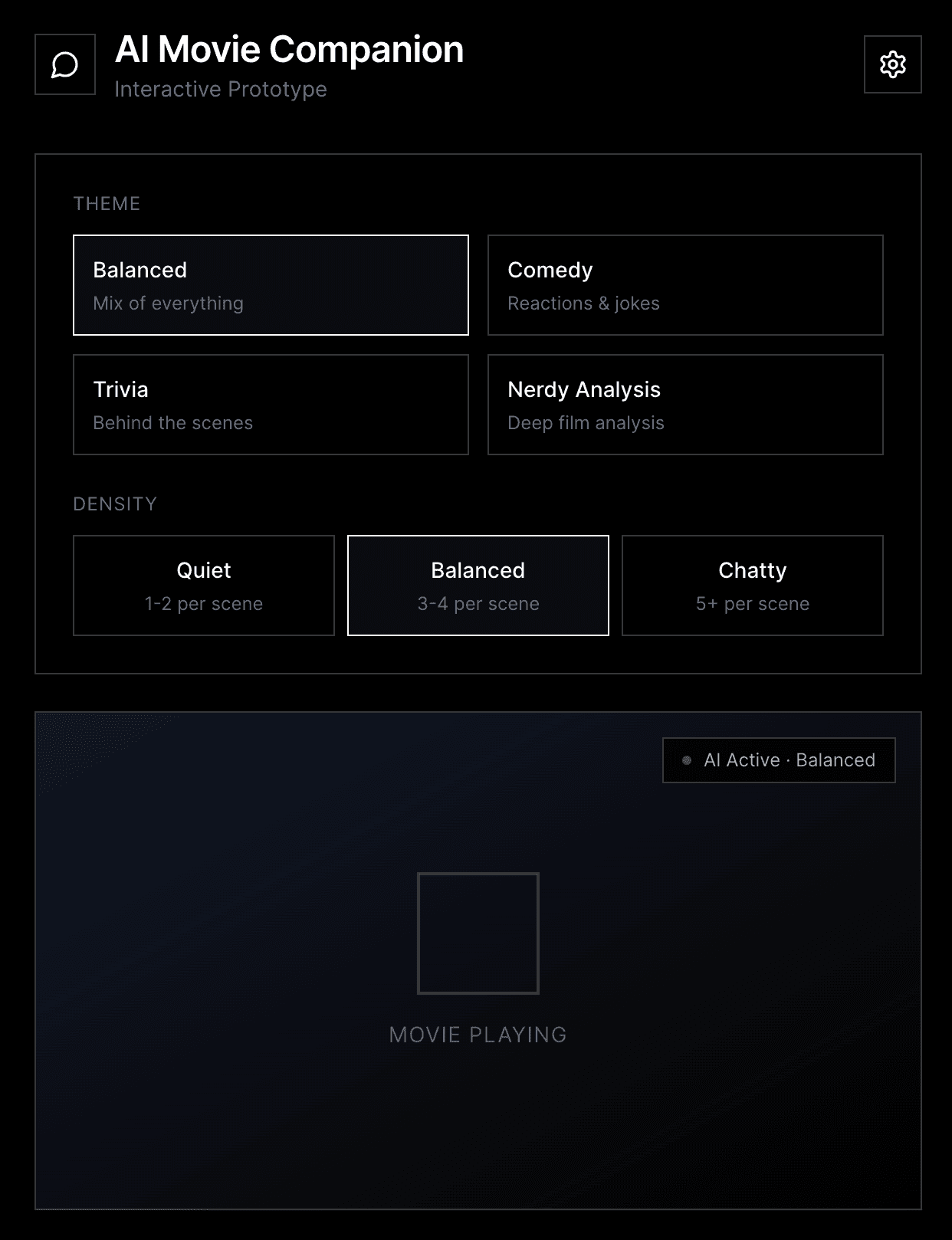
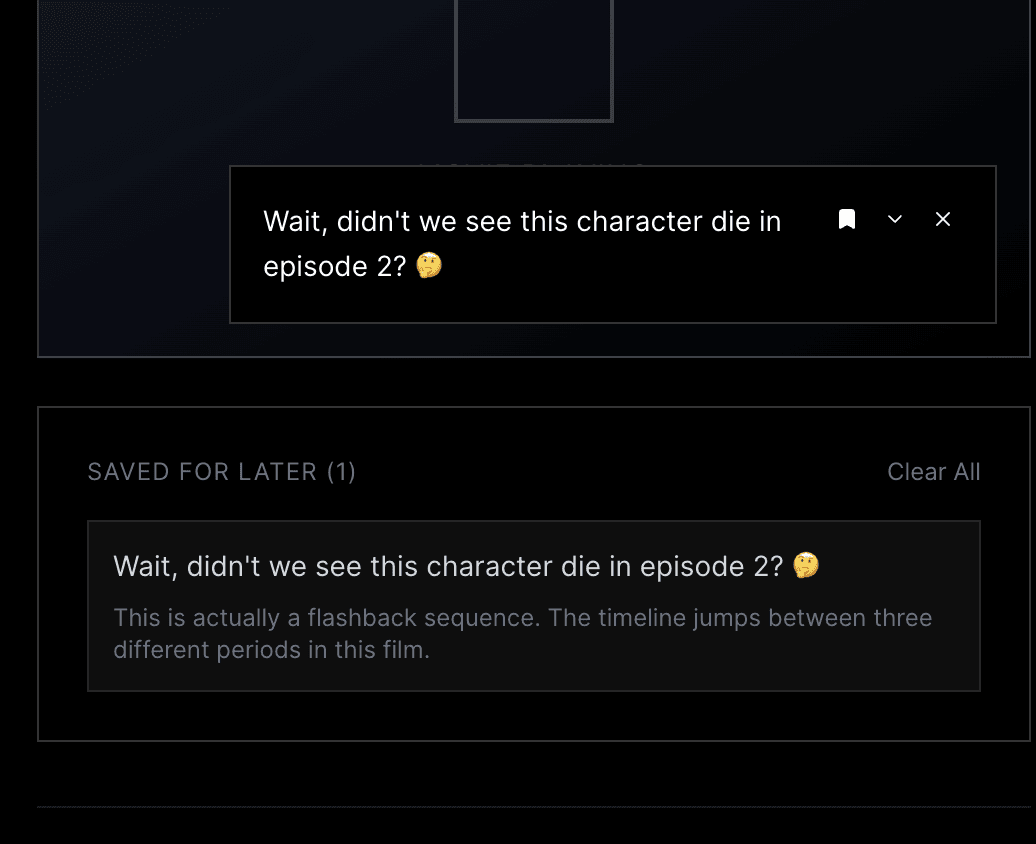
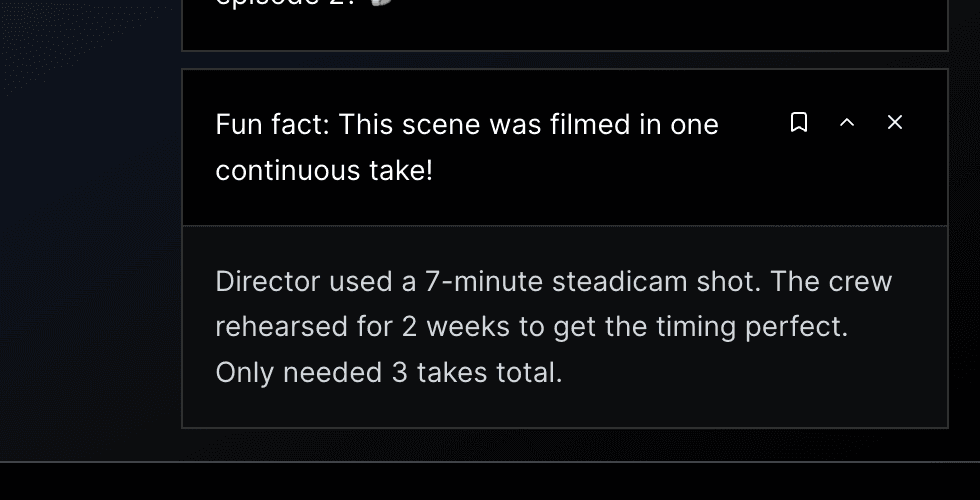
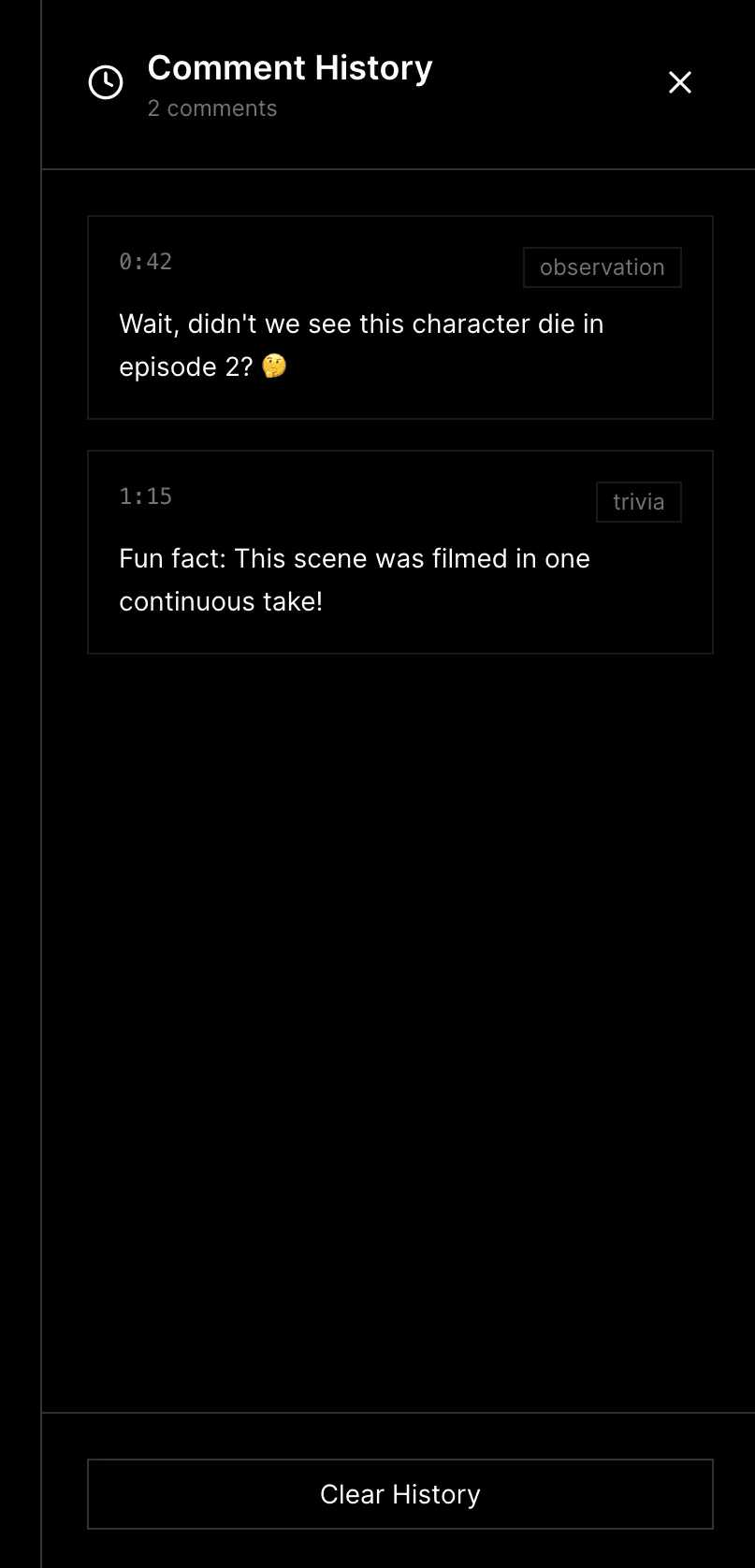
The idea is that on a lonely night, turning on “Watch With Me” makes a movie feel more like you’re watching with a group, without actually opening a public chat window or relying on other people being online.
What I Optimized For
Instead of designing “an AI that watches shows with you,” I wanted to design an AI that only lives inside the movie frame: a visible, optional side dish, not a necklace that you wear everywhere.
As this was a design experiment, I treated it like a small set of values to test rather than a product roadmap.
1. Content-first, AI second
The movie is the main course. The AI should never pause, block, or overwrite it. Its job is to sit quietly at the edge and add a second thread of entertainment for those who want it.
2. Clear boundaries and control
Unlike Friend, this companion does not live on your body or listen to your life. It lives in the playback UI and can be turned off instantly. Users can control how often it speaks, what tone it uses, and whether it appears at all.
3. Light personality, no parasocial claims
No “I’m your friend” assertions. No promises of emotional support. The tone is closer to a cheeky subtitle track or DVD commentary than to a chatbot therapist.
4. Low cognitive load
Comments must be short, visually distinct, and placed where they don’t cover important parts of the frame, like a sticker rather than a wall of text.
Risks and Open Questions
This concept lives in a tricky emotional space, and I wanted to be honest about that in the design case.
“AI in my content” may still feel like “AI in my life.”
The same discomfort that doomed the Friend necklace could resurface if the companion is too pushy, too ‘humanlike,’ or too persistent.
Distraction > delight.
While some viewers will love the extra layer, others might feel overloaded. The AI’s comments obstruct a whole corner of the movie, which could ruin the experience rather than improving it.
Huge bets on the LLM
Is the LLM actually funny? Will it spoil something unknowingly?
Tone and safety.
Humor can go wrong quickly. There would need to be strong guardrails: no punching down, no spoilers, no insensitive jokes about trauma. Ideally, viewers could flag bubbles containing comments they disliked to retrain the system over time.
Because this was a design experiment, I treated these not as reasons to ship or not ship, but as questions to leave visible in the case study.