BACK
Matbookh - UberEats for Homechefs?

Matbookh – Turning Home Kitchens into Micro-Restaurants
Matbookh explores a simple question:
How can home cooks and family businesses turn their cooking into income without opening a restaurant?
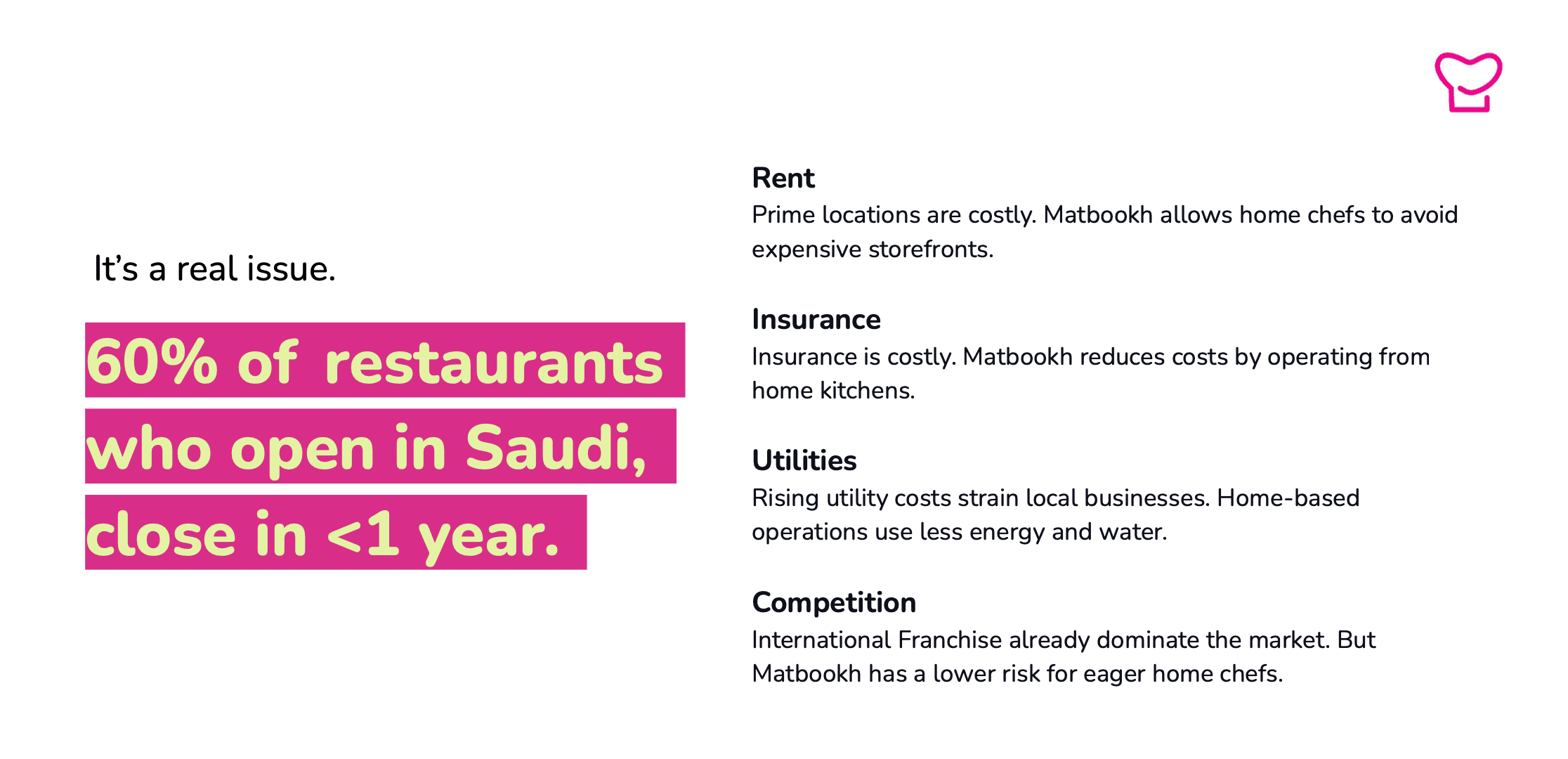
In Saudi Arabia, restaurants are high risk. Many close within a year under the weight of rent, utilities, insurance, and competition from global chains. At the same time, there is an underused “infrastructure” of skilled home cooks who already cook for neighbors and relatives but lack reach, branding, and compliant delivery.
Matbookh treats this as a design problem rather than a business pitch:
What kind of system would let home kitchens operate like micro-restaurants without forcing them to adopt the full restaurant model?
1. Problem framing
We treated the “60% of restaurants fail” stat as a symptom, not a headline.
Why small food businesses struggle:
High fixed costs (rent, fit-out, utilities, insurance)
Heavy competition from established brands
Little room to experiment before committing
Where the opportunity sits:
Food quality already exists in family kitchens
What’s missing is infrastructure:
Discovery beyond friends and neighbors
Trusted identity and hygiene signals
Packaging, delivery, and payment rails
The design question became:
How can we give home cooks the benefits of being a restaurant (reach, trust, income) without the burden (leases, full operations, heavy marketing)?
Design principles
From research and early conversations, four principles shaped the product direction:
Lower the barrier to entrepreneurship
A good cook should be able to test demand in days, not after signing a lease.
Design for trust and safety
Food requires visible care for hygiene, certification, and traceability; the system must make that legible.
Treat cooks as brands, not anonymous vendors
The value of homemade food is personal. Interfaces should foreground people and stories, not just SKU codes.
Align with social and environmental responsibility
If we introduce new infrastructure, it should nudge customers toward healthier meals and better packaging, not repeat fast-food patterns.
Core concept
At a high level, Matbookh is:
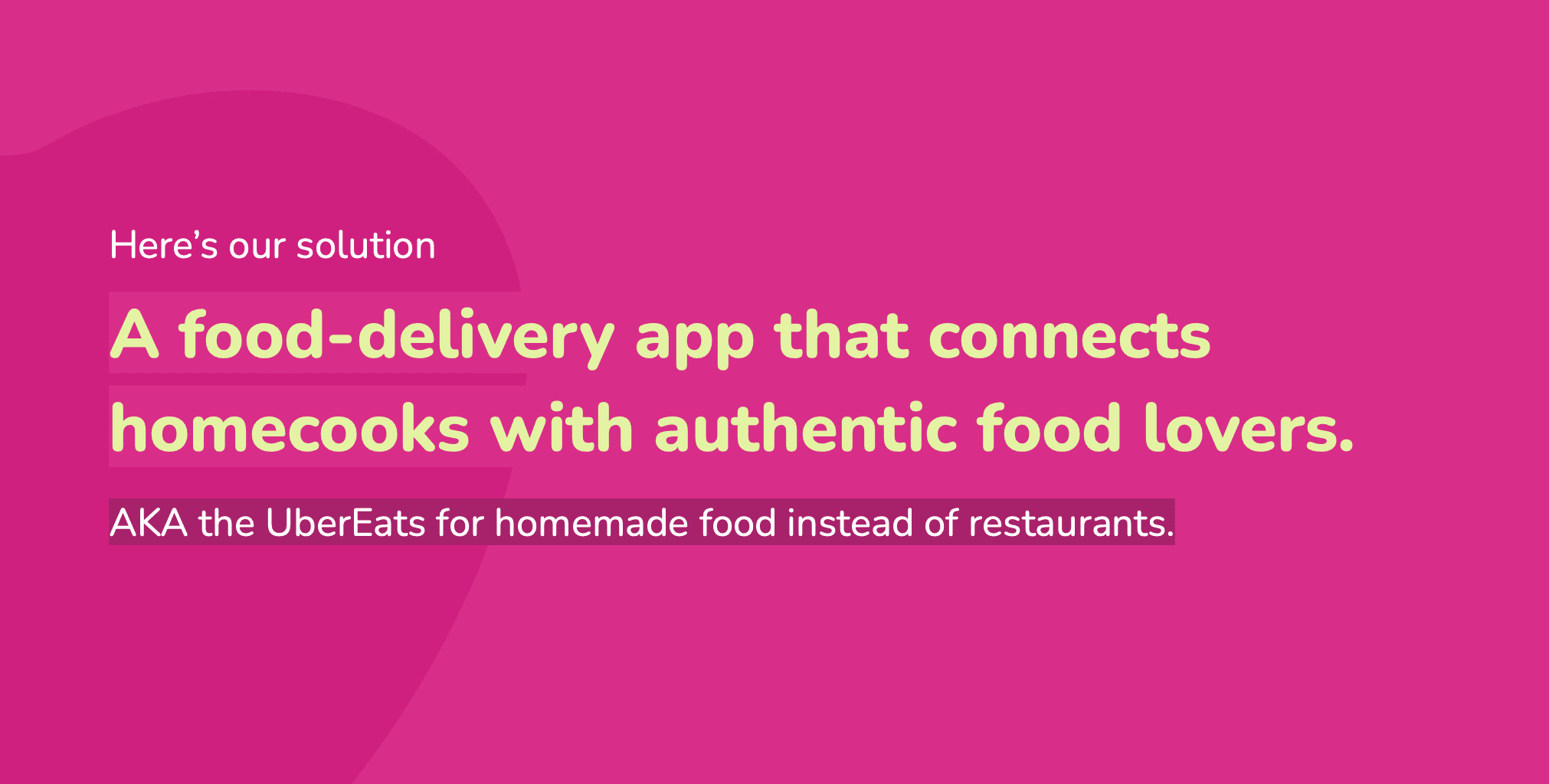
A delivery platform where the primary “units” are home kitchens and family chefs, not restaurants.
For customers, it behaves like a familiar delivery app where they can:
Browse cooks and their menus
See today’s dishes rather than endless catalogs
Order one-off meals or subscribe to recurring plans
For cooks, it acts as a lightweight business layer, offering:
Chef profiles with story, specialties, and social proof
Simple menu management
Support for compliant packaging and, in the future, catering and training
The important shift is structural. Instead of treating home cooks as a “special category” of restaurant, the whole system is built around them as the default.
Impact hypothesis
The broader hypothesis behind Matbookh is simple:
If it becomes easy and safe for home cooks to sell,
and there’s a simple and trustworthy way for people to order from them,
then some food spending can shift from imported franchises to local kitchens.
If that shift happens at scale, we expect:
More income opportunities for families
More local economic circulation
Slightly healthier, more home-style cooked meals
Less wasteful packaging if we control that layer well
The screens (the chef cards, menus, and subscriptions) are just the visible surface of that underlying system design.